
December 8, 2025
Should I choose restoration or renovation?
Restoration, renovation, repair, refurbishment. What's the difference? Each type of project has different goals, requirements, and procedures.


Restoration, renovation, repair, refurbishment. What's the difference? Each type of project has different goals, requirements, and procedures.
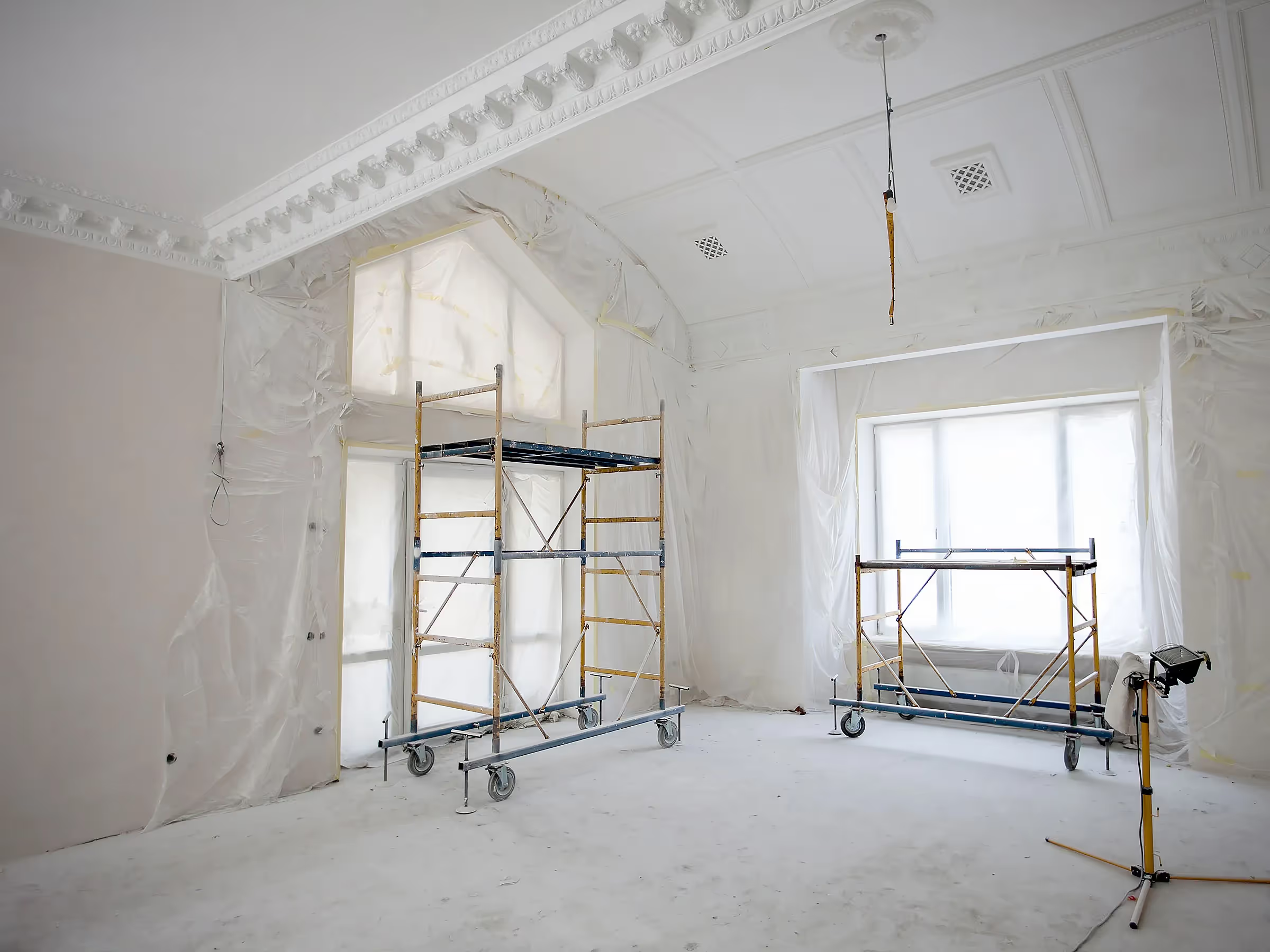
Restoration of a wall surface or product (including cabinets, doors, and furniture) involves returning a product to its former state. It’s also done to historic buildings to maintain their heritage and rich culture. The features of a building are recreated to match its original appearance and function.
Restoration aims to achieve the highest level of authenticity and replication. If new hardware is needed, it will be installed in a concealed manner so that the product’s original appearance isn't disrupted.
Doors and glass are inspected. Broken handles, hinges, locks, drawer pulls, and other damaged parts are replaced. In some cases, the door and glass will be replaced with close replicas. Experts will inspect the product to identify potential faults and correct them, without destroying the cabinets' heritage or the entryway. Restoration is perfect for minor fixes.
Renovation involves upgrading a wall surface or product (including cabinets, doors, and furniture) to an improved condition. This means replacing functional components to meet the required standards—without altering the original design. Renovation projects increase a home's value and are often shorter and lower-budget than other projects. They have little to no effect on the layout and structure of the house. Before any renovation project, consider a home's age, condition, and design. If the product needs improved appearance and functional enhancements, then renovation is the way to go.
An expert will inspect the cabinets, entryways, and other features to ensure they’re working correctly. This involves repairing components that might have been damaged or broken to restore the product (cabinets, entryway) to tip-top working condition. For example, this may include fixing hardware, repairing surface cracks, and updating an old finish. Decorative finishing improves the quality and appearance of the product. This provides detailed work and painting or varnishing surfaces. For fixtures or hardware that can’t be restored, it’s always advisable to replace them.
Refurbishment is closely related to renovation and restoration, as they all aim at returning the product to its former state. Before the refurbishing process, an expert will assess its structure to determine a suitable refurbishment approach. Refurbishment involves improving decor, cleaning, and retrofitting. Its purpose is to enhance the product's function, sustainability, and energy efficiency.
These projects will require proper planning and the right team of experts. Always look for a reputable and experienced restoration and renovation company in your area.


