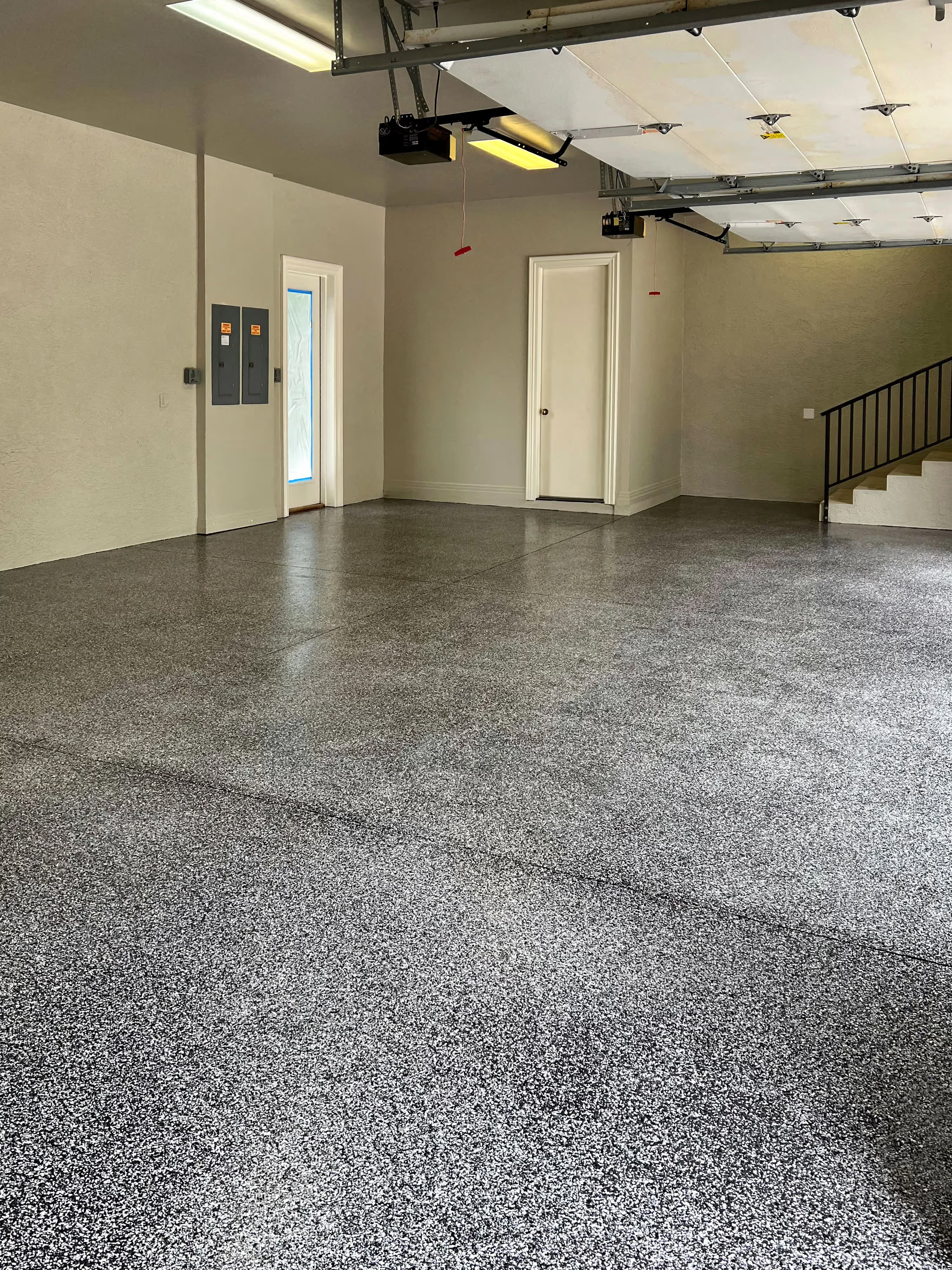
Epoxy flooring is widely used for upscale residential projects. A significant difference is the epoxy depth. In this article, we'll explain.
March 17, 2022
Epoxy flooring can be used in residential areas. It is available in various types and can include epoxy floor art. Often, people are confused when comparing epoxy flooring and epoxy floor coatings. A significant difference is the depth of epoxy.
Epoxy flooring is chemically different from regular floor paint. Resinous epoxy flooring is made up of a two-part epoxy system. It is a mixture of hardeners and polymer resins. The epoxy resin and the hardener bond when properly mixed. This chemical bond results in a stiff, exceptionally durable, and resistant-to-degradation plastic material. Epoxy flooring must be at least 2 millimeters thick.
Epoxy flooring
Are you looking for something simple yet versatile? Go for solid epoxy floors. They offer a variety of colors that can be applied almost anywhere. Solid epoxy resin floor finishes are ideal for rooms with a solid color and void of intricate or fancy design. You will find this design in buildings, convention halls, and restaurants. It can also be a good choice for the kitchen, deck, living room, bathroom, or driveway.
Flake epoxy flooring
If you want more color on your basement floor, garage floor, or another room or surface, you can choose flake epoxy flooring. This type of floor uses acrylic chips or flakes that come in many colors, making it more artsy and decorative. As a result, it gives the surface a sleek appearance. Epoxy flooring contractors apply the multi-colored flakes when the coating is still wet, giving the surface a vibrant look. Apart from making the floor beautiful, the flakes also make it less slippery. It provides more grip, which prevents falls and other accidents. This type of flooring is ideal for the kitchen, swimming pool, and high-traffic areas.
Graveled epoxy flooring
This type of epoxy flooring is customizable and often includes intricate designs. If you are creative, gravel epoxy flooring is ideal for you. Homeowners frequently choose this type to add decorative details for that personalized interior décor look.
Metallic epoxy flooring
A metallic epoxy floor finish is an excellent option for a decorative look. This epoxy coating uses a metallic additive, allowing you to design the floor with different colors, accents, and effects. The most common design is a swirling design. Installers use a roller or a brush in twists to achieve this effect by spreading metallic pigments. If you want to add a touch of your personality to solid epoxy, include the shiny metallic finish. It can be gold, ruby, copper, or silver. This type also offers a matte finish for decorating living rooms, bedrooms, kitchens, and other spaces.
Self-leveling epoxy flooring
Do you need to cover existing concrete surfaces? Choose self-leveling epoxy flooring. This type is ideal for smoothing old, cracked, and damaged concrete floors. You can also apply it to new concrete surfaces for a refined look. It’s available in many colors and is ideal for residential, commercial, and industrial use. You will find this type of flooring in sports venues, office buildings, athletic facilities, warehouses, or showrooms. It is also ideal for a garage floor with a damaged surface. It can also be used in bathrooms or kitchens.
Differences between epoxy flooring and epoxy paint
Many people use the terms "epoxy coatings" and "epoxy paints" interchangeably. However, the two are very different.
Epoxy flooring is highly durable, long-lasting, and resistant to chemicals. The two components in epoxy flooring undergo a chemical reaction that cross-links and cures the surface.
Epoxy paint is a latex acrylic product with only a tiny amount of epoxy in the mix.It has better adhesion and durability compared to standard paint. However, it is not even close in comparison to epoxy floor coatings.
Epoxy flooring contains resin and a hardener. Epoxy floor contractors mix these two parts before application. Once they have the mixture, there are time and temperature constraints for applying it. The minimum application thickness is two millimeters of epoxy floor coat. This aspect makes it ideal for areas with high traffic, extreme temperatures, or heavy impact.
Chemical resistance
Epoxy flooring is ideal for commercial areas, such as restaurants, since it is resistant to stains and chemicals. You can wipe the spillage without worrying about leaving a stain. It doesn’t absorb the spillage into the surface.
Heat and water resistance
Choosing garage floor epoxy is ideal because it fortifies the area and blocks harmful elements. In addition, epoxy is resistant to shock, meaning crashes that will not affect the concrete. It is also heat and water-resistant. As such, it is ideal for waterproofing and makes a good flooring choice for the basement.
Durability
If you install the floor properly, it will last a long time. Some brands offer a guarantee of up to ten years. It is good to look for the best epoxy resin floor installers to avoid repeating the work.
Strength
Epoxy floor coatings for concrete help enhance its ability to hold the weight. It also adds stability to the surface, helping carry heavy loads and avoiding wear and tear.
Sealant
An epoxy floor offers protection as it is a sealant. It keeps the concrete below the material from wearing and tearing. As such, it works as a preservation overlay.
Covers damaged floors
Is your old concrete floor damaged? You can use epoxy floor resin to cover these damages. It makes the surface smooth, sleek, and complete. In addition, designer metallic epoxy flooring can add a polished ambiance to imperfections and defects.
Cost-effective
Epoxy resin flooring is affordable. Furthermore, it does not require additional sub-flooring materials, thereby reducing installation costs.
Environmental safety
Many industries and commercial projects require epoxy floor materials for safety. Investing in high-quality epoxy floor coating and garage epoxy flooring provides a polished look and increased safety. Using anti-slip mixes improves traction.
Toxic fumes
You will notice epoxy flooring has a strong smell. Sometimes, it may emit an ammonia-like smell during application. The emitted fumes are toxic and can have side effects on anyone around. They can cause inflammation in the eyes, throat, and nose, and irritate the lungs. However, it does not pose a health risk once the epoxy is fully cured. We wear protective gear and keep everyone away from the area until it is fully dry to counter this problem.
Takes a long time to harden fully
Once installed, the epoxy flooring takes several days to harden fully. Epoxy flooring installers advise leaving the floor to dry for an extended period in warm conditions. A slow curing process makes it more durable and stronger.
It’s not a floor on its own
You cannot use epoxy flooring on its own. Epoxy is typically applied on top of concrete flooring or steel. We also have an epoxy wood floor. This aspect makes the material a temporary flooring solution that will need to be recoated if it wears. To avoid wear and tear, you need to use a professional epoxy floor contractor.
Slippery when wet
Resinous epoxy flooring is non-porous, creating smooth surfaces. Therefore, when wet or oily, the surface can be dangerous. It is a serious disadvantage of epoxy flooring. If you have children or elderly persons in the home, it is cause for concern. However, there are ways you can mitigate this problem. The contractor can:
Use silica in the final coating to add more grip.
Get a maximum grip by adding aluminum oxide.
Use shark grip in the last layer to add texture and resistance.
For flooring installed without anti-slip material, we recommend using containment mats.
Installation process
The epoxy floor installation process is quite tedious. It entails removing oils, grease, or any solvents. You also need to have ideal humidity levels as moisture can damage the floor.
Cold feeling
If you compare epoxy to hardwood floors, you will notice cold on your feet. This is a similar effect to tiles. You can solve this problem by using an underfloor heating system on your floor.
How to install
Installing epoxy flooring in a garage is a moderately challenging project. Always look for a professional installer. Below are the steps to follow.
Ensure your floor is suitable for epoxy.
Test your floor for moisture. Secure a plastic garbage bag in several areas on the floor for 24 hours. Then gently lift the bag to check for moisture. If it is dry, it’s okay to proceed. However, if it is not, your garage floor is not suitable for epoxy.
Then check for signs of a concrete sealer installed on the concrete. Pour a cup of water on the surface to see if it beads up. If it does, the floor is not suitable either. If the concrete slab was recently installed, wait at least 1 month before installing an epoxy resin floor.
Remove any existing floor paint. Do not apply epoxy over floor paint, as it will not work correctly. We use soda blasting to remove paint from larger garage spaces. Once we have effectively removed the paint, we thoroughly clean the floor with water and remove any remaining powder or debris using an industrial vacuum.
Clean and prime the floor
In this step, we remove grease and oil stains. We use an industrial degreaser and let the floor dry. If we notice areas on the floor with tire rubber residue, we will clean them. Fine-grit sandpaper does the job. We use an industrial-strength vacuum cleaner to remove residue, debris, and products. Then we use a high-pressure washer to remove the remaining impurities.
Next, we will etch the floor. We use hydrochloric acid and follow the indicated instructions. Once we spray the floor with the diluted acid, we will wait until it stops bubbling. Using water and baking soda, we neutralize the acid, rinse the floor thoroughly with water, and let it dry overnight. We’ll check for any cracks on the floor and use the epoxy filler to seal them.
Choose and mix epoxy.
We will choose between water and solvent-based epoxies and decide whether to use an epoxy primer. Primers help in smoothing out imperfections on the floor. If your floor is highly porous, rough, chalky, or flaky, it is advisable to use a primer. We’ll take accurate measurements of your garage and then purchase enough epoxy flooring material for two coats. Finally, we will apply the epoxy coating while wearing protective gear. We need lung protection, gloves, good rubber boots, and eye protection.
Installing the epoxy flooring
The epoxy primer and standard epoxy come in two parts. Epoxy kits come pre-measured and have a bucket life of 40 minutes. This means we have a window of forty minutes before it hardens. We’ll mix them in one batch at a time right before application. We allow the primer coat to cure for 12 to 24 hours, keeping the room well-ventilated. Using a nap roller, we will start from the back corner of the room and work toward the exit to apply the epoxy primer. We do not let the roller become too dry while doing so. We often make this work easier by using an extension on the roller.
The next step in applying garage floor epoxy is to apply the first epoxy coat. We use the identical nap roller and start from the back corner, moving towards the exit, keeping the coat thin and even. We’ll let the first coat cure for twenty-four hours. We need to leave the garage well-ventilated, and we’ll avoid going into the room as it dries. Before applying the second coat, we’ll inspect the floor for any problems. If there are holes or cracks, we use an epoxy filler and wait another day for it to dry. We can then apply the second coat and the non-skid product. Avoid going into the garage for another twenty-four hours as the second coat dries.
Where can I install epoxy flooring?
An epoxy floor is ideal for kitchens, bathrooms, garages, basements, swimming pool areas, and high-traffic areas. We offer affordable, high-quality products for your floor. Our epoxy floor installers will provide professional installation services.
About the author
With over 25 years of experience running Ancient Modern Finishes, I’m passionate about helping you transform your house into a home you absolutely love. Through this blog, I’m excited to share practical tips and professional insights to help bring your creative vision to life.